
How to Cure Acne: The Role of Acupuncture
Acne is a common skin condition that can affect anyone, regardless of age or gender. While there are numerous treatments available, one that has been gaining traction is acupuncture. This ancient Chinese practice is known for its holistic approach and may offer a natural alternative to traditional acne treatments. In this blog post, we’ll explore how acupuncture can play a role in curing acne, its benefits, and what you need to know before giving it a try.
Table of Contents
1. Introduction to Acne and Acupuncture
2. Understanding Acne: Causes and Symptoms
3. What is Acupuncture?
4. How Acupuncture Helps in Treating Acne
5. Benefits of Acupuncture for Acne
6. What to Expect During an Acupuncture Session
7. Safety and Side Effects
8. Conclusion
9. FAQs
Introduction to Acne and Acupuncture
Acne can be more than just a cosmetic issue; it can impact self-esteem and mental well-being. Traditional treatments often involve topical creams, antibiotics, or even hormonal medication. However, acupuncture offers an alternative by focusing on balancing the body’s internal systems. This blog post will delve into how acupuncture can potentially help alleviate acne symptoms.
Understanding Acne: Causes and Symptoms
Acne occurs when hair follicles become clogged with oil and dead skin cells. It can manifest as whiteheads, blackheads, pimples, or cysts. Common causes include hormonal changes, stress, diet, and genetics. Understanding these factors can help in identifying the best treatment approach.

What is Acupuncture?
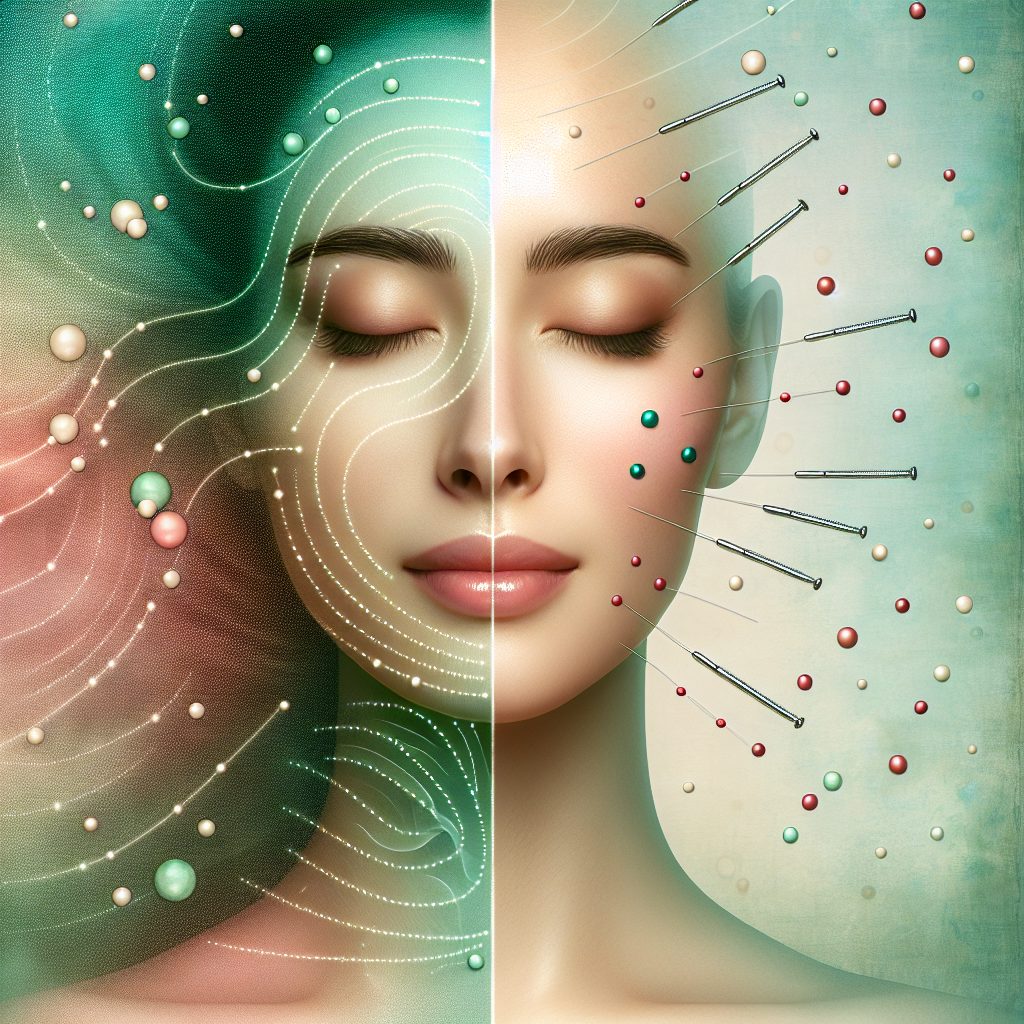
Acupuncture is a form of Traditional Chinese Medicine (TCM) that involves inserting thin needles into specific points on the body. These points correspond to various organs and pathways, known as meridians, which are believed to influence the body’s energy flow or “qi.” By restoring the balance and flow of qi, acupuncture aims to promote healing and well-being.
How Acupuncture Helps in Treating Acne
Acupuncture addresses acne by targeting its root causes rather than just the symptoms. Here’s how it works:
1. Hormonal Balance: Hormonal fluctuations are a major cause of acne. Acupuncture can help regulate the endocrine system, reducing the hormonal imbalances that lead to acne.
2. Stress Reduction: Stress is a known trigger for acne flare-ups. Acupuncture promotes relaxation and reduces stress by stimulating the nervous system and releasing endorphins.
3. Detoxification: Acupuncture can enhance blood circulation and lymphatic drainage, aiding the body’s natural detoxification processes and reducing the toxin buildup that contributes to acne.
Benefits of Acupuncture for Acne
Opting for acupuncture as a treatment for acne comes with several potential benefits:
Natural Treatment: Acupuncture provides a chemical-free approach to acne treatment, minimizing the risk of adverse reactions associated with topical or oral medications.
Holistic Approach: It treats the body as a whole, addressing both physical and emotional aspects that might contribute to acne.
Improved Skin Health: Regular sessions can improve skin texture, reduce inflammation, and promote healing.
What to Expect During an Acupuncture Session
If you’re considering acupuncture for acne, here’s what you can expect:
During your first visit, the practitioner will conduct a thorough assessment, discussing your health history, lifestyle, and specific concerns. The treatment involves lying down comfortably while the acupuncturist inserts needles at various points. Sessions typically last between 30 to 60 minutes. Most people report minimal discomfort and find the experience relaxing.
Safety and Side Effects
Acupuncture is generally considered safe when performed by a qualified practitioner. Some people might experience mild side effects such as slight bruising or lightheadedness. It’s crucial to ensure your acupuncturist is certified and uses sterile needles to minimize any risks.
Conclusion
Acupuncture offers a promising alternative for those looking to treat acne naturally. By addressing underlying causes such as hormonal imbalances and stress, it provides a holistic approach that goes beyond skin-deep treatments. If you’re considering acupuncture, consult with a licensed practitioner to determine the best course of action for your needs.
FAQs
1. How many acupuncture sessions are needed to see results?
The number of sessions varies depending on individual conditions. Some may notice improvements after a few sessions, while others might require ongoing treatment.
2. Can acupuncture be combined with other acne treatments?
Yes, acupuncture can complement other treatments. However, it’s important to discuss with your healthcare provider to ensure safety and avoid potential interactions.
3. Does acupuncture hurt?
Most people experience minimal pain, often described as a tingling sensation. The needles are very thin, and any discomfort usually subsides quickly.
Acupuncture could be the key to unlocking clearer skin and improved overall health. 🌿✨ If you’re intrigued by its potential, why not give it a try and experience the benefits for yourself?