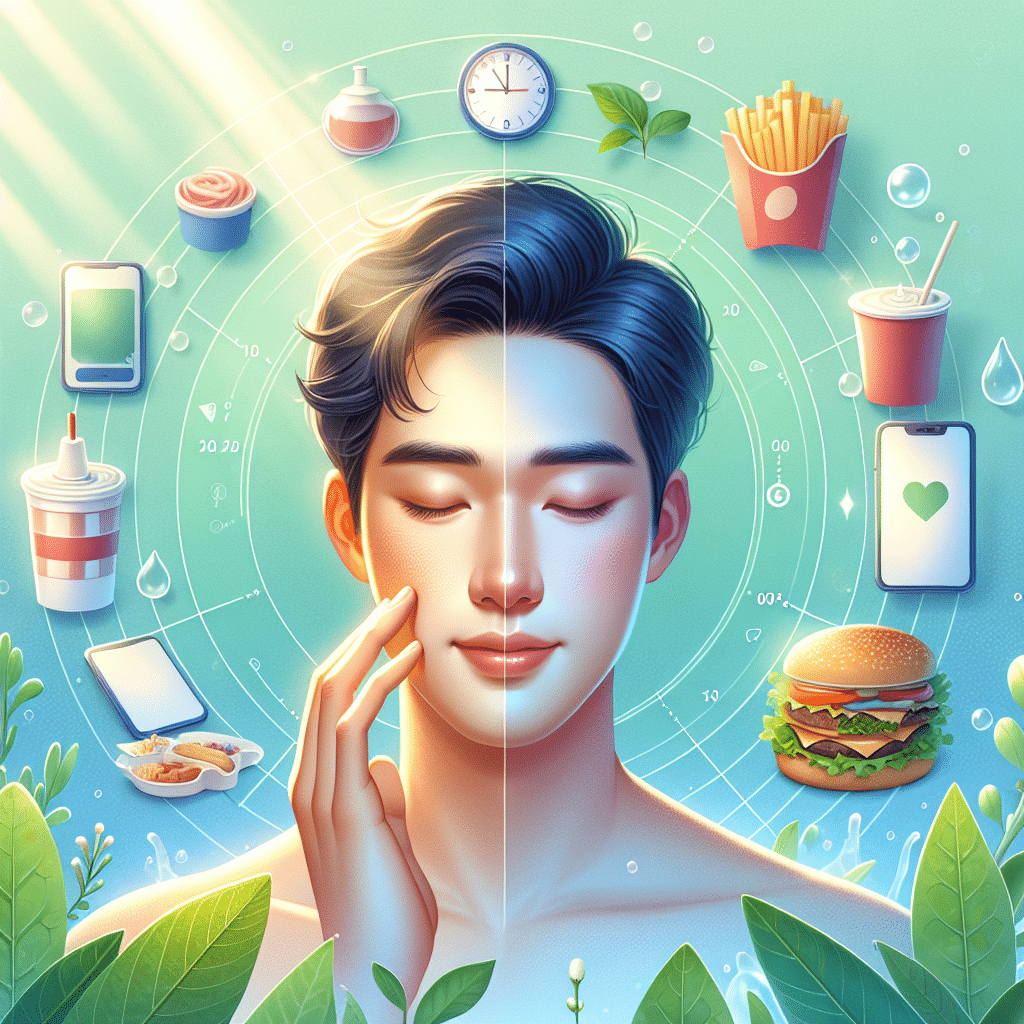
How to Cure Acne: The Impact of Modern Lifestyles
Acne is a common skin condition affecting millions around the globe, and its prevalence seems to be on the rise. As our lifestyles evolve with modern advancements, so do the factors contributing to skin issues. This blog explores how contemporary living influences acne and offers practical tips to manage it effectively.
Table of Contents
1. Introduction to Acne
2. The Influence of Diet on Acne
3. Stress and Its Role in Skin Health
4. The Impact of Sleep Deprivation
5. Skincare Routine in the Modern Age
6. Conclusion
7. FAQs

Introduction to Acne
Acne vulgaris, often simply called acne, is a skin condition characterized by pimples, blackheads, and cysts. While traditionally linked to hormonal changes during adolescence, acne can persist into adulthood, affecting self-esteem and quality of life. Modern lifestyles, with their fast-paced, high-stress environments and processed diets, may exacerbate this condition.
The Influence of Diet on Acne
One of the most significant changes in modern living is our diet. Convenience foods high in sugars and fats can trigger acne flare-ups. Research suggests that a diet rich in dairy and carbohydrates may increase insulin levels, leading to increased oil production in the skin. Embracing a diet rich in fruits, vegetables, and whole grains can help mitigate these effects. Remember, your skin often reflects what you eat! 🥦🍎
Stress and Its Role in Skin Health
Stress is an inevitable part of modern life, and it can wreak havoc on your skin. When stressed, the body releases cortisol, a hormone that increases oil production, which can clog pores and lead to acne. Incorporating stress-reducing activities such as yoga, meditation, or even a leisurely walk can be beneficial. Find what relaxes you and make it a regular part of your routine.🧘♀️
The Impact of Sleep Deprivation
Sleep is crucial for skin repair and regeneration. However, with the rise of digital distractions, many people find themselves sleep-deprived. Lack of sleep can cause inflammation and increase stress hormone levels, both of which can aggravate acne. Aim to get 7-9 hours of sleep each night by establishing a relaxing bedtime routine. Your skin will thank you! 🌜💤
Skincare Routine in the Modern Age
With a plethora of skincare products available, it can be overwhelming to choose the right ones. Stick to a simple routine: cleanse, moisturize, and protect. Use products that are non-comedogenic and suitable for your skin type. It’s essential to remove makeup thoroughly and avoid touching your face throughout the day to prevent bacteria from spreading. Consistency is key! 🧴💧
Conclusion
While modern lifestyles have their challenges, understanding the relationship between these factors and acne can help you take control of your skin health. By making conscious choices about your diet, managing stress, prioritizing sleep, and maintaining a consistent skincare routine, you can significantly reduce acne’s impact on your life. Remember, healthy skin is a journey, not a destination.
FAQs
Q: Can drinking water help clear acne?
A: Yes, staying hydrated helps maintain skin moisture and supports overall skin health, which can aid in reducing acne.
Q: Are there any foods that can help reduce acne?
A: Foods rich in antioxidants, like berries, green tea, and leafy greens, can help reduce inflammation and support skin health.
Q: How long does it take to see improvements in acne with lifestyle changes?
A: Results vary, but you may start noticing improvements in 4-6 weeks with consistent lifestyle changes.
Q: Is it necessary to see a dermatologist for acne?
A: If over-the-counter treatments and lifestyle changes do not improve your acne, consulting a dermatologist can provide personalized treatment options.
Embrace the changes, stick to your routine, and remember: every step you take towards a healthier lifestyle is a step towards clearer skin! 🌟