
How to Cure Acne: The Benefits of Probiotic Masks
Acne can be a persistent and frustrating skin condition that affects individuals of all ages. While there are numerous treatments available, one natural remedy that has gained popularity is the use of probiotic masks. These masks not only help in managing acne but also promote overall skin health. In this blog post, we’ll explore the benefits of probiotic masks for acne treatment and how they can become a part of your skincare regimen.
Table of Contents
2. Understanding Acne and Its Causes
4. Benefits of Probiotic Masks for Acne
6. Conclusion
7. FAQs
Introduction to Probiotics
Probiotics are live microorganisms, often referred to as “good” bacteria, that provide a health benefit when consumed or applied topically. Commonly found in yogurt and fermented foods, probiotics are also increasingly being incorporated into skincare products. When applied to the skin, they can help balance the skin’s microbiome, leading to clearer, healthier skin.
Understanding Acne and Its Causes
Acne is a result of clogged pores, excess oil production, and bacteria. Hormonal changes, diet, stress, and certain skincare products can exacerbate the condition. Understanding the root cause of acne is crucial for effective treatment. While conventional treatments like benzoyl peroxide and salicylic acid can be effective, they often come with side effects such as dryness and irritation.
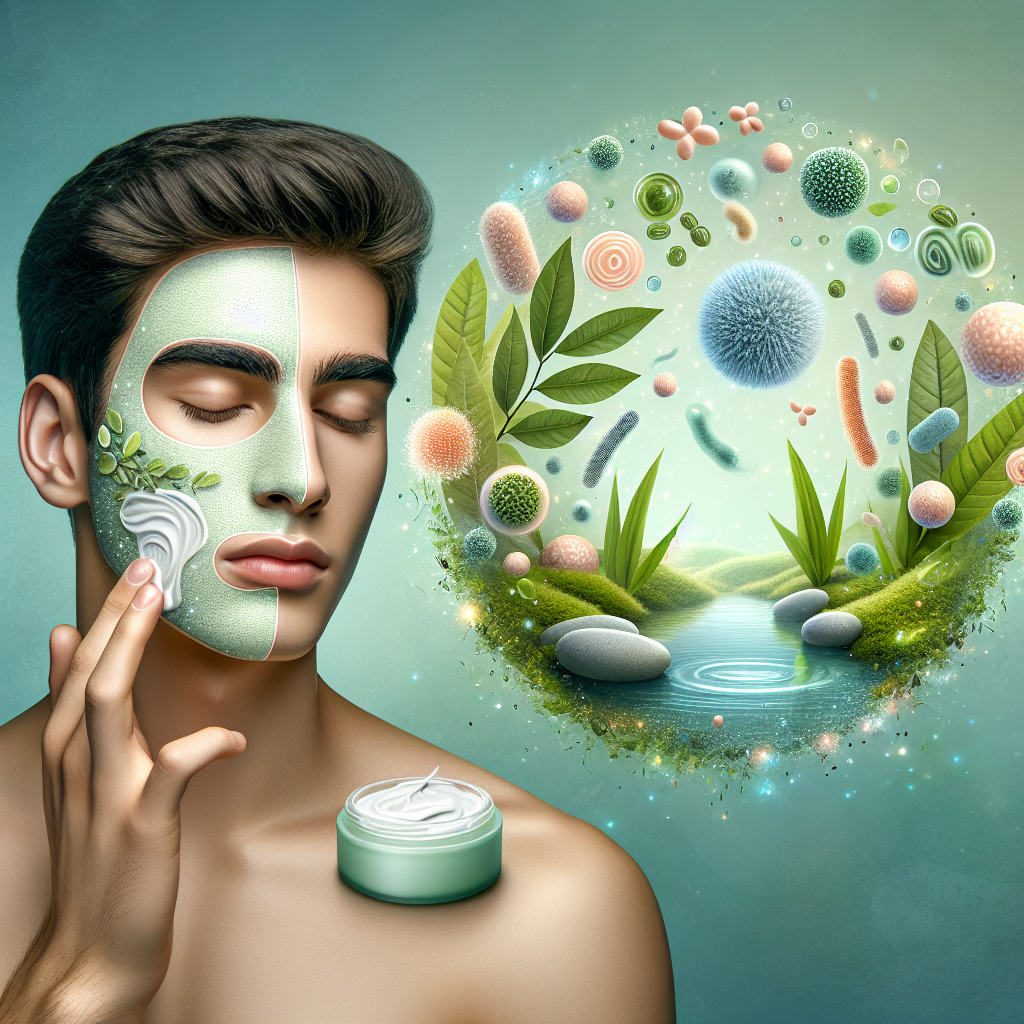
How Probiotic Masks Work
Probiotic masks work by introducing beneficial bacteria to the skin, which can help restore balance to the skin’s natural microbiome. This process can reduce inflammation, decrease the presence of acne-causing bacteria, and strengthen the skin’s natural barrier. By supporting the skin’s ecosystem, probiotic masks can help prevent future breakouts while soothing existing ones.
Benefits of Probiotic Masks for Acne
1. Reduces Inflammation: Probiotic masks can help calm inflamed skin, which is a common symptom of acne. The probiotics work to reduce redness and swelling, providing immediate relief.
2. Balances Skin Microbiome: By enhancing the population of good bacteria, probiotic masks help maintain a balanced skin environment, which is crucial for preventing acne.
3. Improves Skin Barrier: A strong skin barrier protects against environmental aggressors and helps retain moisture. Probiotic masks can bolster this barrier, helping the skin stay hydrated and resilient.
4. Natural and Gentle: Unlike some harsh acne treatments, probiotic masks are gentle on the skin, making them suitable for those with sensitive skin types.
5. Enhances Skin Texture: Regular use of probiotic masks can lead to smoother, more radiant skin, as they help in reducing blemishes and promoting an even skin tone.
How to Use Probiotic Masks
Using a probiotic mask is simple and can easily be incorporated into your weekly skincare routine. Here’s how you can use them effectively:
Step 1: Start with a clean face. Use a gentle cleanser to remove any dirt or makeup.
Step 2: Apply the probiotic mask evenly across your face, avoiding the eye area.
Step 3: Leave the mask on for the recommended time (usually 10-20 minutes).
Step 4: Rinse off with lukewarm water and pat dry with a clean towel.
Step 5: Follow up with your favorite moisturizer to lock in hydration.
For best results, use the mask 2-3 times a week. Always do a patch test before using any new product to ensure it suits your skin.
Conclusion
Probiotic masks offer a natural and effective solution for those struggling with acne. By nurturing the skin’s microbiome, these masks can help reduce inflammation, balance bacteria, and strengthen the skin’s barrier. Incorporating probiotic masks into your skincare routine can lead to clearer, healthier skin, free from the common side effects of traditional acne treatments. Give it a try, and experience the soothing benefits for yourself! 🌿
FAQs
Q: Can probiotic masks be used on sensitive skin?
A: Yes, probiotic masks are generally gentle and suitable for sensitive skin. However, always do a patch test first to ensure compatibility.
Q: How often should I use a probiotic mask?
A: For optimal results, use a probiotic mask 2-3 times a week.
Q: Can probiotic masks replace other acne treatments?
A: Probiotic masks can complement other treatments, but it’s best to consult with a dermatologist to create a personalized skincare plan.
Q: Are there any side effects?
A: Probiotic masks are generally safe, but if you experience irritation, discontinue use and consult a healthcare professional.
Embrace the power of probiotics and let your skin glow with health! 🌟