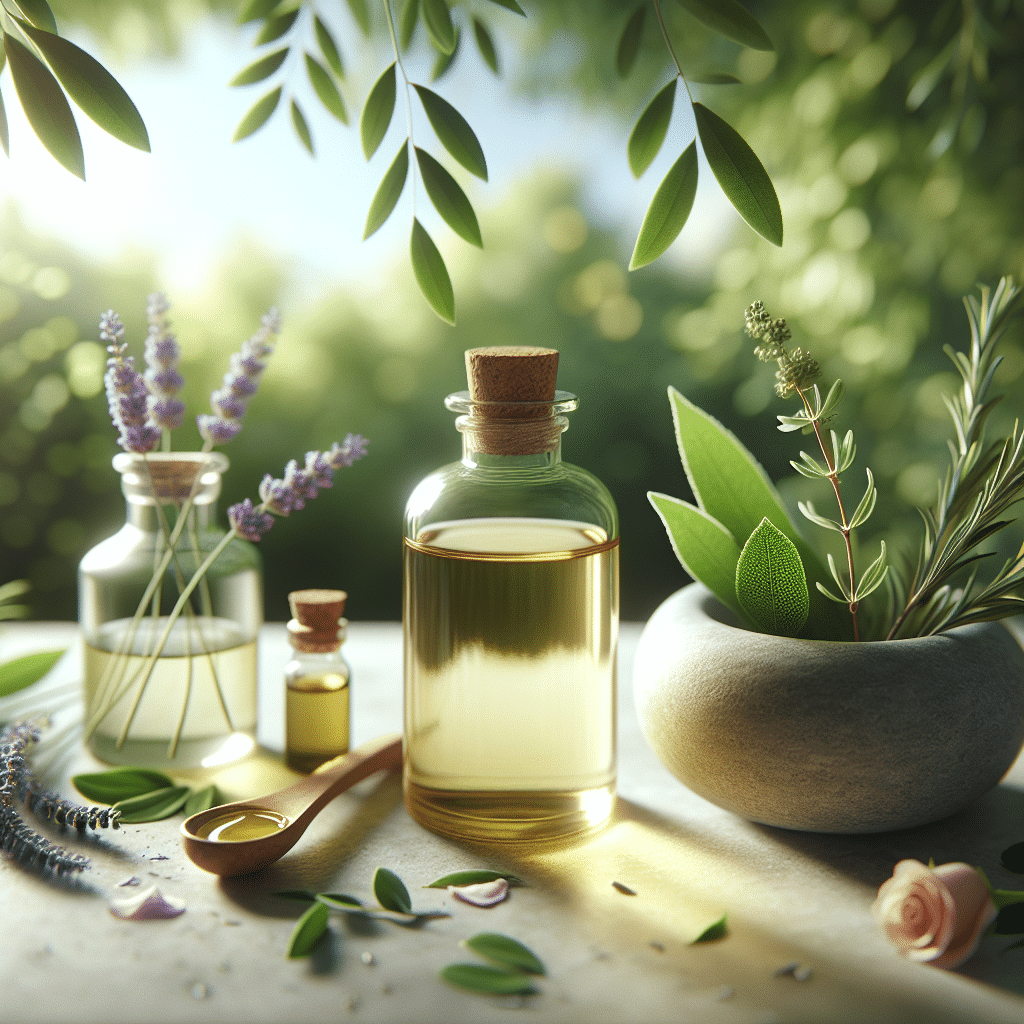
How to Cure Acne: The Role of Plant-Based Oils
Acne is a common skin condition that affects millions of people worldwide. While there are numerous treatments available, many individuals are turning towards natural remedies, particularly plant-based oils, to address their skin concerns. In this blog post, we will explore how plant-based oils can be a powerful ally in the battle against acne, their benefits, and how to incorporate them into your skincare routine.
Table of Contents
1. Introduction
2. Understanding Acne and Its Causes
3. Benefits of Plant-Based Oils
4. Top Plant-Based Oils for Acne Treatment
5. How to Incorporate Plant-Based Oils into Your Skincare Routine
6. Conclusion
7. FAQs
Understanding Acne and Its Causes
Acne occurs when hair follicles become clogged with oil and dead skin cells, often leading to inflammation and breakouts. Factors such as hormones, diet, stress, and genetics can exacerbate this condition. While traditional treatments like salicylic acid and benzoyl peroxide are effective, they can sometimes be harsh on the skin, leading to individuals seeking gentler alternatives.
Benefits of Plant-Based Oils
Plant-based oils are derived from the seeds, fruits, or nuts of various plants. These oils are packed with essential fatty acids, vitamins, and antioxidants that can nourish the skin. Here’s why they’re beneficial:
1. Non-Comedogenic Properties: Many plant-based oils are non-comedogenic, meaning they won’t clog pores. This is crucial for acne-prone skin.
2. Anti-Inflammatory Effects: Oils such as tea tree and chamomile have natural anti-inflammatory properties, which can help reduce redness and swelling associated with acne.
3. Moisturizing Benefits: Unlike some acne treatments that dry out the skin, plant-based oils provide hydration, helping to maintain a healthy skin barrier.
Top Plant-Based Oils for Acne Treatment
Here are some of the most effective plant-based oils for treating acne:
1. Tea Tree Oil: Known for its antibacterial properties, tea tree oil is a popular choice for treating acne. It helps reduce the bacteria on the skin’s surface and can lessen the severity of breakouts.
2. Jojoba Oil: This oil closely resembles the skin’s natural sebum, making it an excellent moisturizer. It can help regulate oil production and prevent further clogging of pores.
3. Rosehip Oil: Packed with vitamins A and C, rosehip oil promotes skin regeneration and can help fade acne scars over time.
4. Grapeseed Oil: Lightweight and rich in linoleic acid, grapeseed oil can help reduce clogged pores and improve the skin’s texture.
How to Incorporate Plant-Based Oils into Your Skincare Routine
Integrating plant-based oils into your skincare routine can be simple and effective. Here’s how you can do it:
Patch Test: Before fully committing to an oil, it’s essential to perform a patch test to ensure you don’t have an adverse reaction. Apply a small amount to a discreet area and wait 24 hours.
Cleansing: Use oils such as jojoba or grapeseed as a gentle cleanser. Apply a small amount to your face, massage it in, and rinse with warm water.
Spot Treatment: For targeted acne treatment, use tea tree oil. Dilute it with a carrier oil and apply it directly to blemishes.
Moisturizing: Add a few drops of your chosen oil to your daily moisturizer or use it alone for hydration.
Conclusion
Plant-based oils offer a natural and effective way to manage acne without the harsh side effects of traditional treatments. Whether you’re looking to reduce inflammation, balance oil production, or fade scars, there’s a plant-based oil that can aid in your skincare journey. Embrace these natural remedies, and you might find your skin thanking you for it! 🌿✨
FAQs
Q: Can plant-based oils make my acne worse?
A: While some oils can clog pores, many are non-comedogenic and can actually help balance oil production. Always perform a patch test before introducing a new oil to your routine.
Q: How often should I use plant-based oils?
A: This depends on your skin type and the specific oil. Generally, using them once or twice a day is sufficient, but adjust based on how your skin responds.
Q: Are there any side effects?
A: Most plant-based oils are gentle, but some people might experience allergic reactions. Always conduct a patch test first.
Q: Can I combine different oils?
A: Yes, blending oils can offer combined benefits. However, start with one oil to gauge your skin’s reaction before mixing.