How to Cure Acne: The Benefits of Herbal Face Packs 🌿
Acne can be a persistent issue that affects not just your skin, but also your confidence and self-esteem. While there are numerous treatments available, many are turning to natural remedies for effective and gentle solutions. Herbal face packs, enriched with nature’s bounty, offer an amazing alternative to chemical-laden products. Let’s delve into how these herbal concoctions can help you achieve clearer, healthier skin.
Table of Contents
1. Introduction
2. Understanding Acne
3. The Power of Herbal Face Packs
4. Top Herbal Ingredients for Acne
5. DIY Herbal Face Pack Recipes
6. Benefits of Using Herbal Face Packs
7. Conclusion
8. FAQs
Understanding Acne
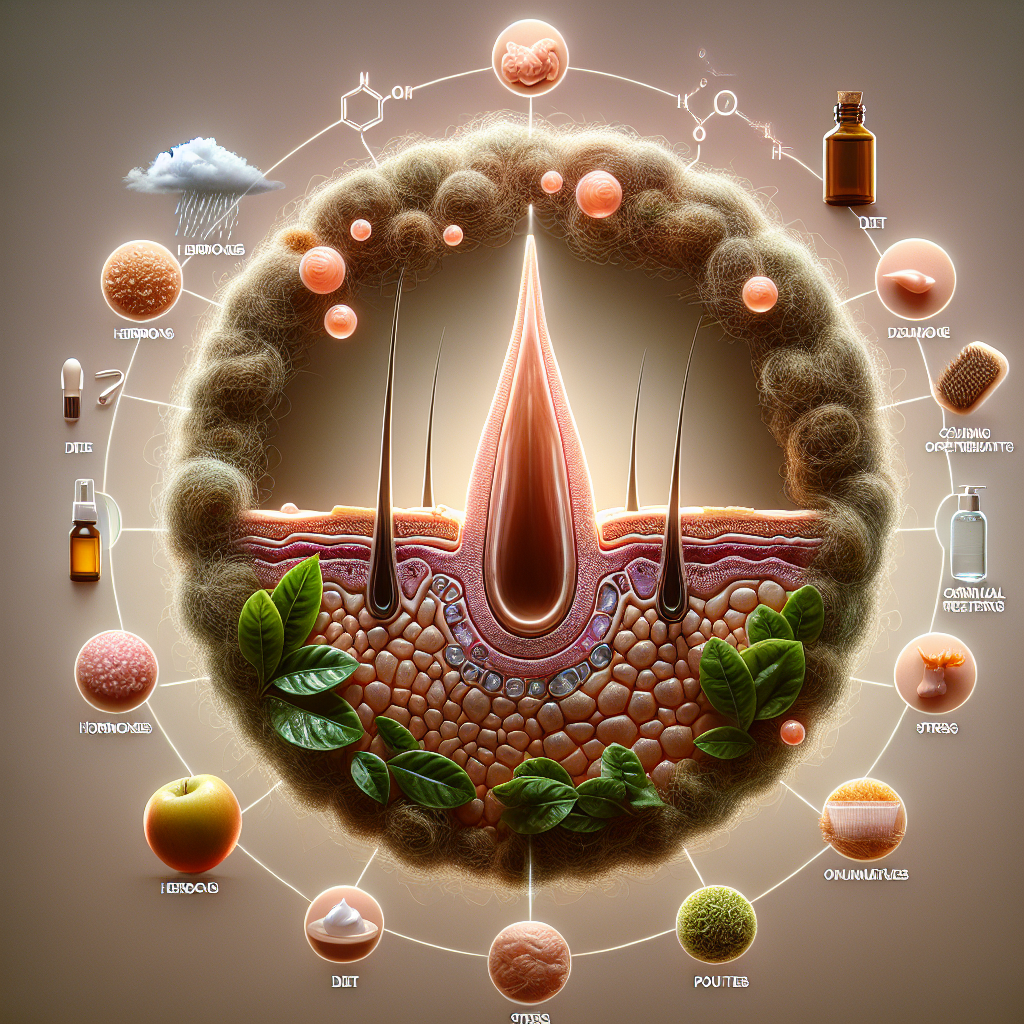
Before we dive into the world of herbal face packs, it’s essential to understand what causes acne. Acne occurs when hair follicles become clogged with oil and dead skin cells. This results in whiteheads, blackheads, or pimples. Factors like hormones, diet, stress, and skincare routines can all play a role in acne development. 🌱
The Power of Herbal Face Packs
Herbal face packs harness the potency of natural ingredients to treat acne at its root. Unlike conventional treatments that might contain harsh chemicals, herbal remedies work gently yet effectively. These packs are often rich in antioxidants, anti-inflammatory properties, and essential nutrients that promote skin health.
Top Herbal Ingredients for Acne
When it comes to crafting herbal face packs, the ingredients you choose can make all the difference. Here are some powerhouse herbs that are particularly beneficial for acne-prone skin:
1. Neem
Neem is renowned for its antibacterial properties. It helps in reducing the inflammation and redness associated with acne. 🌿
2. Turmeric
This golden spice is not just for cooking. Turmeric’s anti-inflammatory and antibacterial properties can help reduce acne and improve your skin’s overall tone. ✨
3. Aloe Vera
Soothing and moisturizing, aloe vera helps heal acne scars and calm irritated skin. Plus, it provides a refreshing sensation. 🌵
4. Basil
Basil is a natural disinfectant, great for treating acne and preventing future breakouts. Its antioxidant properties also help in clearing the skin.
5. Tea Tree Oil
Though not a herb per se, tea tree oil is a potent natural remedy for acne, thanks to its ability to combat bacteria and reduce inflammation.
DIY Herbal Face Pack Recipes
Creating your own herbal face pack can be a fun and rewarding experience. Here are a couple of simple recipes to get you started:
Neem and Turmeric Face Pack
Mix 1 tablespoon of neem powder with a pinch of turmeric and enough water to form a paste. Apply to your face, leave on for 15 minutes, and rinse with lukewarm water. This pack is excellent for reducing acne and brightening the skin.
Aloe Vera and Tea Tree Oil Pack
Combine 2 tablespoons of fresh aloe vera gel with a few drops of tea tree oil. Apply the mixture to your face, let it sit for 20 minutes, and wash off. This pack soothes and hydrates while targeting acne-causing bacteria.
Benefits of Using Herbal Face Packs
Why choose herbal face packs over conventional treatments? Here are several compelling reasons:
1. Gentle on the Skin
Herbal face packs are gentle, making them suitable for all skin types, including sensitive skin.
2. Natural and Chemical-Free
These packs are free from harmful chemicals, reducing the risk of side effects.
3. Cost-Effective
Most ingredients are easily available and affordable, offering a budget-friendly skincare option.
4. Holistic Healing
Herbal face packs not only treat acne but also nourish and rejuvenate the skin, promoting overall skin health.
Conclusion
Herbal face packs are a fantastic natural remedy for those seeking to cure acne without resorting to harsh chemicals. By incorporating powerful herbs into your skincare routine, you can enjoy clearer, healthier skin while embracing a holistic approach to beauty. 🌟
FAQs
Q1: How often should I use herbal face packs for acne?
For best results, use herbal face packs 2-3 times a week. However, it’s essential to listen to your skin and adjust the frequency based on its response.
Q2: Can I store homemade herbal face packs?
It’s best to use them fresh. However, some packs can be refrigerated for up to a week. Always check for any changes in smell or texture before use.
Q3: Are there any side effects of using herbal face packs?
Herbal face packs are generally safe, but it’s wise to do a patch test before applying them to your face, especially if you have sensitive skin or allergies.
Embrace the power of nature and let herbal face packs be your ally in the journey to clear skin. 🌼